Discover the Suitable Lab Grown Diamond Engagement Ring to Commemorate Your One-of-a-kind Love Journey
Finding the optimal lab-grown diamond engagement ring is an essential step in marking a couple's unique love trip. These rubies provide the same brilliance as mined rocks, with moral sourcing and price. Comprehending the various options readily available, from forms to personalization, can help pairs select a ring that really mirrors their connection. The process can be both exciting and frustrating, motivating a better take a look at what makes these diamonds attract attention.
Recognizing Lab-Grown Diamonds: What Makes Them Distinct
While lots of people associate diamonds with natural developments over numerous years, lab-grown diamonds use an interesting choice that maintains the same physical and chemical residential properties as their mined equivalents. Created with advanced technical processes, these rubies are formed in weeks as opposed to eons. Using methods such as High Pressure High Temperature Level (HPHT) or Chemical Vapor Deposition (CVD), lab-grown diamonds show similar hardness, sparkle, and refractive top qualities. On top of that, they are often a lot more morally sourced and eco-friendly, attending to problems connected with typical diamond mining. Lab-grown diamonds likewise often tend to be more inexpensive, supplying customers with a wider variety of alternatives for their engagement rings (lab grown diamond engagement rings). Their special attributes make them an attractive option for pairs looking for beauty and sustainability in their sign of love
Selecting the Right Forming and Design for Your Engagement Ring
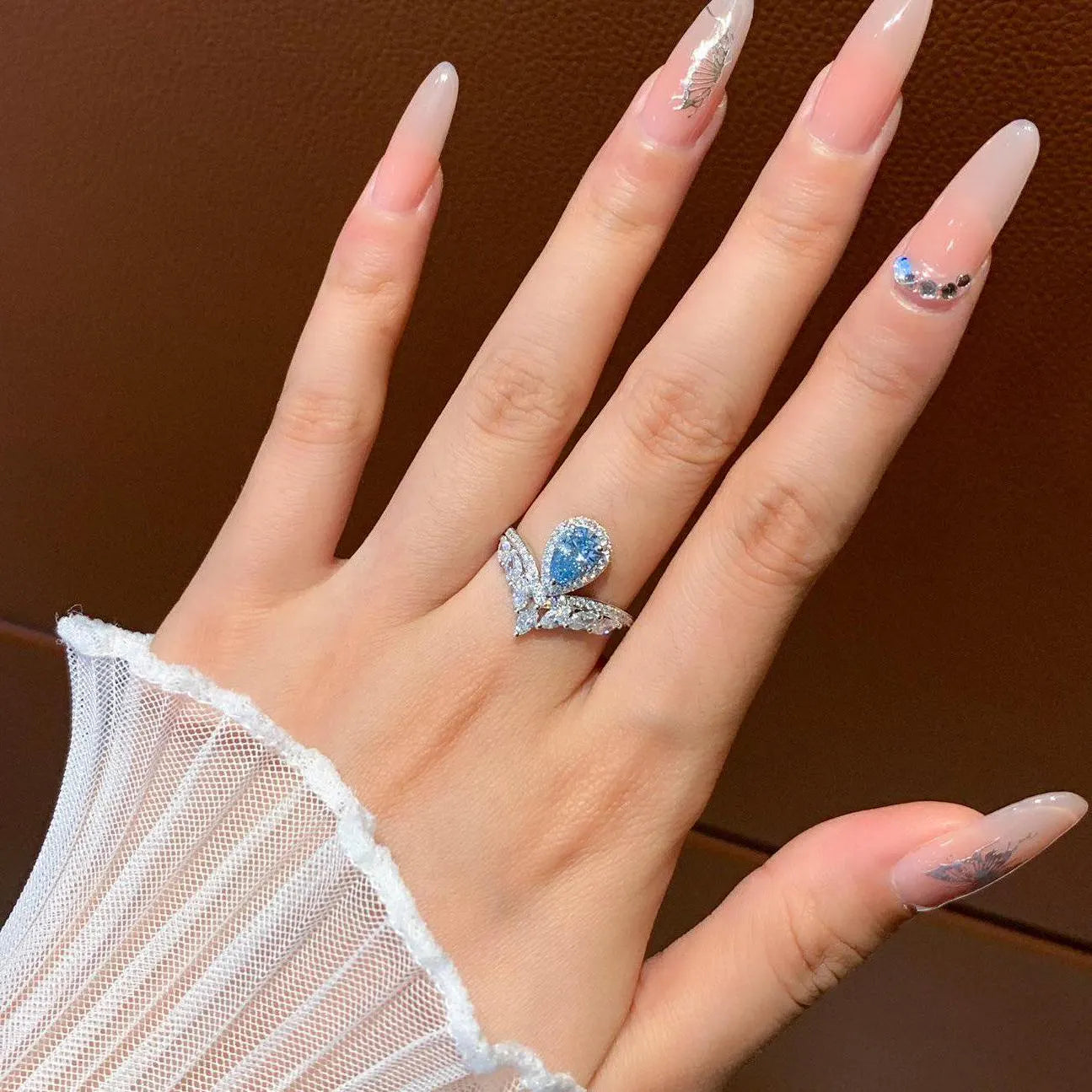
Establishing a Spending Plan: Locating the Perfect Balance
Establishing a spending plan for an engagement ring is vital, as it ensures that the pair can find an item that straightens with their monetary circumstance without sacrificing high quality or design. Establishing a clear budget plan permits couples to narrow down their alternatives and focus on what genuinely matters. This procedure involves thinking about not just the expense of the diamond but likewise the setting and any additional features. Couples should consider their savings, monthly expenses, and future economic objectives when establishing a suitable price range. By setting a budget plan, they can explore various designs and setups, ensuring they locate a lab-grown diamond engagement ring that mirrors their love while staying financially liable. Stabilizing wish and practicality is vital in this trip.
Personalization Options: Creating a Ring That Tells Your Tale
Having established a budget plan, couples can currently check out the exciting globe of personalization options for their engagement ring. Customization permits an unique expression of their love tale. They can select from numerous designs, consisting of vintage, halo, or solitaire settings, each reflecting different looks. Selecting the steel-- such as white gold, yellow gold, or rose gold-- includes another layer of uniqueness. Pairs may likewise take into consideration different diamond forms, like round, princess, or emerald cut, depending on their choices. On top of that, etching messages or icons on the band can create a long-term memory. Ultimately, these personalization alternatives empower pairs to create a ring that not just showcases their why not try these out love but additionally captures their shared trip and distinctive personalities.
Caring for Your Lab-Grown Diamond Engagement Ring
Correct treatment is vital for keeping the beauty and radiance of a lab-grown diamond engagement ring (lab grown diamond engagement rings). Regular cleaning can boost its glimmer; a gentle service of warm water and light soap is advised. Using a soft brush, one can remove dirt and oils collected on the diamond and setup. It is vital to prevent severe chemicals and rough materials, as these can harm the ring's surface. In addition, storing the ring in a fabric-lined box can stop scrapes and tangles with various other jewelry. Regular specialist evaluations can assist use or recognize loosened rocks, guaranteeing long life. By following these treatment guidelines, one can preserve the ring's click to investigate luster, making it a lasting icon of love
Frequently Asked Concerns
Are Lab-Grown Diamonds Eco friendly and ethically sourced?
Lab-grown rubies are generally considered ethically sourced and ecologically friendly. They are created making use of sustainable methods that lessen environmental impact, avoiding the moral worries usually related to standard diamond mining, making them an accountable choice for customers.
Just How Do Lab-Grown Diamonds Compare to Natural Diamonds in Worth?

What Is the Lifespan of a Lab-Grown Diamond?
Lab-grown rubies are created to last forever, similar to natural diamonds. Their durability assurances they can withstand day-to-day wear, maintaining their sparkle and quality gradually, making them a lasting sign of dedication and love.
Can Lab-Grown Diamonds Be Re-Cut or Resized Conveniently?
Lab-grown rubies can be re-cut or resized, similar to all-natural rubies (lab grown diamond engagement rings). Professional jewelers possess the required devices and skills to adjust these diamonds, guaranteeing they preserve their luster and integrity throughout the process
Do Lab-Grown Diamonds Have Any Resale Value?
Lab-grown diamonds normally have lower resale values compared to natural diamonds due to market assumption and need. Their value can fluctuate based on top quality, accreditation, and existing trends in the jewelry industry.
While visit many people associate rubies with natural developments over millions of years, lab-grown rubies supply an interesting choice that maintains the exact same physical and chemical homes as their extracted counterparts. Lab-grown diamonds typically cost 20-40% less than all-natural diamonds, providing comparable top quality and appearance. Lab-grown rubies are made to last indefinitely, comparable to natural rubies. Lab-grown diamonds can be re-cut or resized, similar to natural rubies. Lab-grown rubies generally have reduced resale values contrasted to natural rubies due to market perception and need.